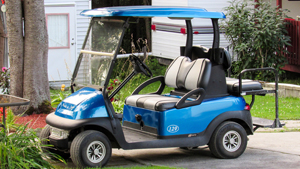
Golf carts are everywhere in South Carolina, from beach communities along the coast to neighborhood streets in Columbia. While golf carts are a fun way to get around, most people don’t always think about safety when it comes to these slow-moving vehicles used to make short trips.
Each year, on average, 17,000 golf cart-related accidents require emergency room visits across the U.S., and that number continues to rise as the economical, fun-to-drive carts become more popular on city streets.
As we hear more stories of children being injured or dying as a result of these accidents, safety experts continue to push for increased safety measures, including seat belts for everyone, but especially for children. Experts also advise users not to let anyone ride in a golf cart whose feet do not touch the floorboard. Children are more susceptible to falling because of their small size, and they aren’t strong enough to hold on to the railings that typically help adults.
Safety of younger riders is not the only concern. The use of golf carts on public roads has become an increased topic of discussion in South Carolina in recent years, as some state legislators have attempted to expand how far golf carts can be used to travel from home.
The current distance allowed by state law is four miles from the address of registration. Golf carts may operate on streets and secondary highways in which the speed limit is not greater than 35 miles per hour.
Driving a golf cart on the road can be dangerous simply because they lack the normal safety features found on vehicles, including seat belts, always illuminated headlights and structural elements like doors and roofs.
If you own a golf cart and plan to drive it on public roads, make sure you follow strict safety measures and state laws that require you to:
- Obtain a $5 golf cart permit from the Department of Motor Vehicles.
- Hold a valid driver’s license.
- Maintain proof of insurance in the cart with you at all times while driving.
- Stay within four miles of your residence.
- Operate only during daylight hours.
- Renew the permit every five years and/or whenever your address changes.
- List secondary residences on the permit, in addition to your primary residence if you plan on driving your golf cart near or around the second residence.
If teens will be driving your golf cart, make sure to review safety measures with them as well as South Carolina laws around low speed vehicles. Ensure that your teen driver is covered under your recreational vehicle insurance policy.
As more golf carts hit the road, risk of injury increases as well as other liabilities to consider when insuring this type of recreational vehicle. There are a variety of coverage options available for golf carts and endorsements to cover bodily injury and property damage. Some options only provide coverage on private property and are not intended to cover use on public roads.
Check with your local agent to see what type of coverage you need.